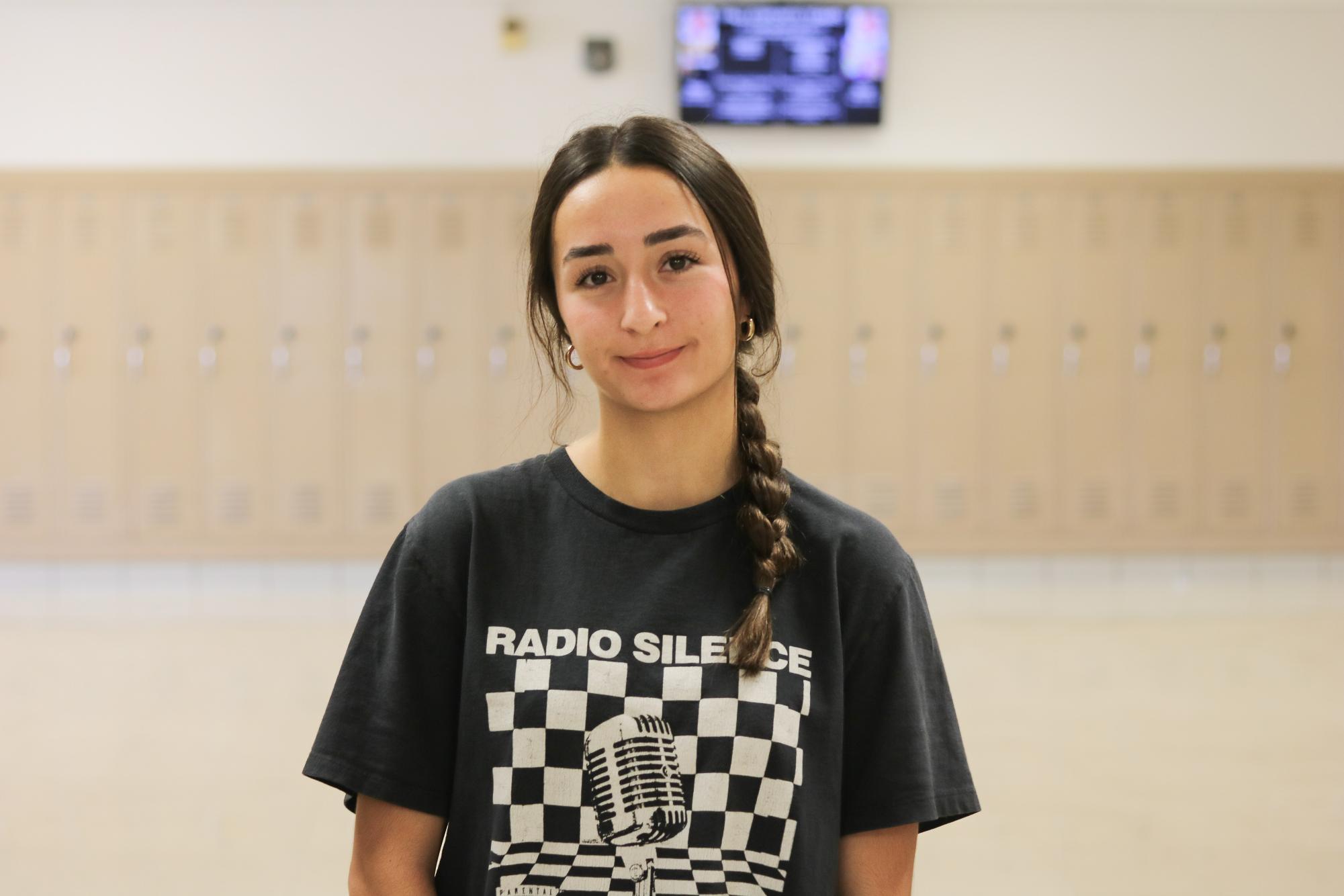
Adela Kantarevic is a girl of two languages. For the 16-year-old junior, speaking English and Bosnian is not just about the communication, but the identity, journey, family and future. The journey of her being bilingual shows the joys as well as the struggles of balancing two tongues- and the deep meaning of preserving culture through a language.
Finding Identity Within Two Worlds
When she is at home, the conversations are in both languages, but sometimes it’s English-focused. For Kantarevic, this balance of equally speaking both languages within her household is empowering and challenging.
“I feel like it’s harder for me to just balance the languages, because at home, we do speak Bosnian, but also we speak like mainly English,” she said.
Kantarevic admits that having confidence is the hardest part. “When it comes to, like, having a conversation with somebody else who I don’t know, who is Bosnian, I kind of struggle a little bit, a little bit because, like, it gets in my head that I not say the right thing, even though I am.”
We can see Kantarevic still sees her bilingual skills as a source of pride even though she is not fully confident and fluent in it. “I think it’s cool because, oh yeah, I can speak more languages and you can speak one. And if they hate on me, they’re hating.”
Journey of Growth
While Kantarevic was raised in a bilingual household and heard both languages daily, her focus on Bosnian faded. “As I grew up trying to, like, learn Bosnian became harder because I wasn’t as focused on it,” she said. “It was more difficult to try to, like, remember all of these words and stuff.”
Now, she is working on getting better practice to improve. “I’ve been trying to learn a little bit more recently, and I feel as if I have improved. Like, I try to speak it more at home with my dad, my mom, but yeah, it’s just like a matter of time.”
Even when it gets hard, she doesn’t quit, but she sees the struggle as a motivator. “So it kind of like, honestly, unmotivates me. But then also, like motivates me, because I know I’m getting better.”
Family Connection Through the Languages
For Kantarevic, language, is more than vocabulary and conversations- it is a connection to fit in, to her relatives and heritage,
“With relatives that I’m not really close to, I feel like it kind of like separates us a little bit,” she said. “When I do try to talk to them, I’m able to understand and like, speak like, about basic topics, but when I want to talk to them about something on a deeper level, it’s, I can’t, because I don’t know the words.”
If there was one thing pushing her to continue to try learning and improving, it is that sense of being separated if she did not try. Kantarevic does not want to have a surface level relationship with her family. She wants to fully understand and deeply connect with them all no matter what level of language they speak.
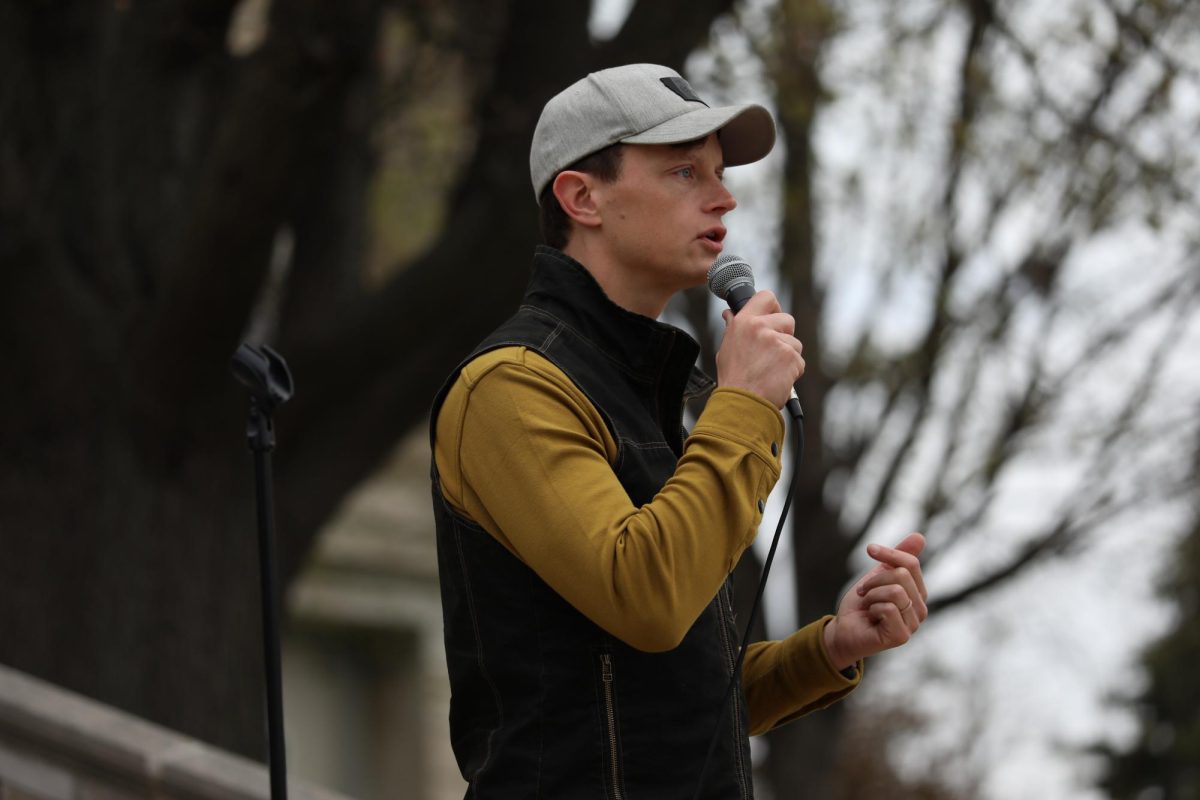
Spanish teacher, April Bryant, works with many multilingual and multicultural students on the daily. Bryant sees this struggle as something that is universal. “It’s such a blessing for anybody to be bilingual, that I just want to encourage everybody to hold on to it and grow as somebody who can speak two languages,” Bryant said. “The last thing we want is for a whole generation of kids to not be able to communicate with grandparents, or to not know enough about their own language to share the culture and keep it going with the next generation.”
Going Forward
When looking ahead, Kantarevic’s goals are as much about the future as they are about the present. She hopes to improve now so that in the future her children will learn Bosnian and continue to carry the tradition.
“Yeah, I’d want my kids to learn that, because it’s just like, the idea of continuing the tradition and continuing the language and like, I don’t really want it to die down, like, die out because of me,” she said.
Kantarevic’s story is more than just personal growth, but a larger cultural challenge. Across many immigrant communities, many second-generation and later kids fight with how to try to protect and perpetuate their heritage while still embracing American life. The breakup of Yugoslavia made many Balkan families end up all over the globe. For many of those, like Kantarevic, the language is one of the strongest threads tying them to their cultural roots. “It’s such a connection to who you are, to your people, to your roots,” Bryant said.
The Fight that is Universal
Kantarevic’s journey shows the depth behind speaking in two languages – the mix of struggle, confidence, and pride that comes with having more than one language in your voice. “I choose to learn it and, like, speak it because I want to connect with my family better,” she said. “And when I’m older, I’ll be able to connect with like, others and like, when I travel to Bosnia, I want to be able to connect with people on a deeper level, rather than just, like, basic readings and stuff.” This story is not just about being bilingual, but about belonging.