




















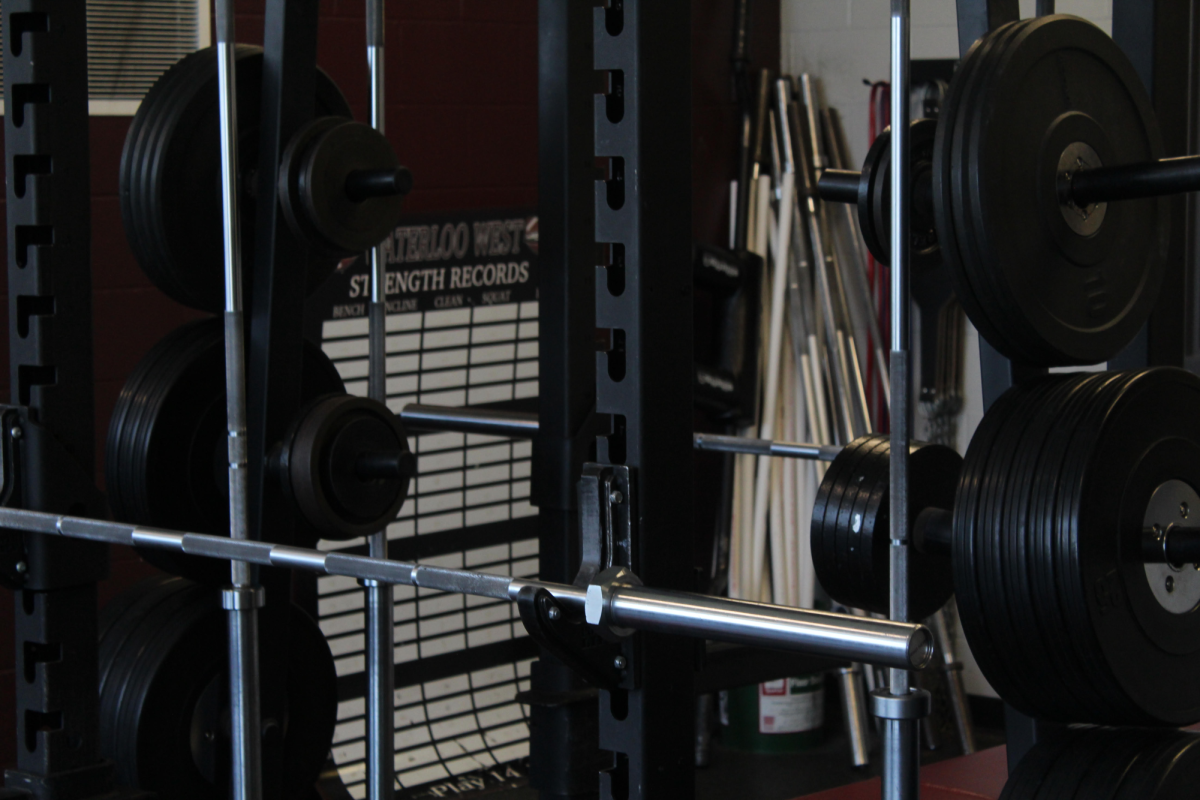








Starting in the gym can feel pretty overwhelming. There’s a ton of advice online, a bunch of “perfect routines” and a lot of pressure to get everything right right away. But when you actually listen to people who lift consistently, especially looking at some of the weightlifters around the school, the advice ends up being way simpler and a lot more realistic.
If you’re just getting started, the main thing to understand is you don’t need some complicated plan. You really just need a few solid exercises, a routine you can stick to and the mindset of getting a little better over time.
A good place to start is with basic lifts that actually work. Adele Mrzljak, a lifter who’s built his routine around consistency, puts it pretty simply: “I like bench press because it’s just always been my favorite lift… and pull ups… it’s just a great back exercise.” For Mrzljak, that’s the big idea, sticking with lifts that hit multiple muscles and that you can keep improving on.
An example of this is pull-ups. Even if a student can’t do one yet, they’re still worth working towards it. Mrzljak mentions that he feels his back working more compared to machines, which is important. The goal isn’t just to move weight around, it’s to actually build strength you can feel.
At the same time, a lot of beginners ignore legs, which is a mistake. Alvedin Dizardivic explains it well. “Your lower body is definitely stronger, and the more strength your lower body has, the easier the rest of the lifts become,” he said. Squats might not be the most fun at first, but they help everything else improve too says Dizdarevic.
Once you’ve got a few lifts down, the next step is figuring out how to organize your workouts. A lot of people use something called push-pull-legs, where you split workouts into pushing (chest, shoulders, triceps), pulling (back, biceps), and legs. Mrzljak says “it has a good frequency… I think it’s a great, reliable split,” which is why so many people use it.
That said, your routine should actually fit your life. Ariyahn Parker points out: “you have to customize it around your availability.” Parker explains that if you can only go to the gym a few times a week, that’s fine. Full-body workouts still work. What matters more is being consistent than following some “perfect” routine.
One thing that really matters, though, is progressive overload. Progressive Overload is the gradual, systematic increase of the stress placed on your body during exercise. It sounds complicated, but Parker explains progressive overload as “adding 2.5 or five pounds each week… to make sure you’re progressing.” It’s just about slowly improving over time. You don’t need huge jumps, small increases add up, according to Parker.
When it comes to equipment, you don’t need much starting out. But as you get stronger, a few things can help. Dizardivic says a lifting belt “provides… stability… preventing your body from getting out in the middle of the lift,” which is useful for things like squats. Parker also recommends wrist wraps and lifting straps, especially for beginners, since they help keep your wrists stable and give you better control.
You also don’t need to spend a ton of money right away as there are cheaper options that work just fine. Dizardivic notes that it really depends on what you’re willing to invest over time.
Supplements are kind of the same way. They can help, but they’re not necessary. Mrzljak talks about taking vitamin D3, K2 and magnesium, mostly for overall health and recovery. This matters, especially since a lot of people don’t get enough of it through their diet. Pre-workout is another option, Mrzljak says it, “helps me feel more energized,” but it’s definitely not something you need to make progress.
At the end of the day, most people in the gym didn’t start out strong; they just stuck with it. You don’t need to have everything figured out right away. Just learn a few good lifts, find a routine that works for you, and try to improve a little bit each week.
That’s really all it comes down to.