


























Clean. Simple. Fresh. White.
In just the past year, with many revolutionary changes and hectic headlines worldwide, it’s plain easy to see that the world has been anything but simple.
To describe the past year as a color, many would argue something bold, something different: electric blue, bright vermilion, deep chartreuse. Fun, outgoing colors that are bright and easily catch your attention.
But not Pantone.
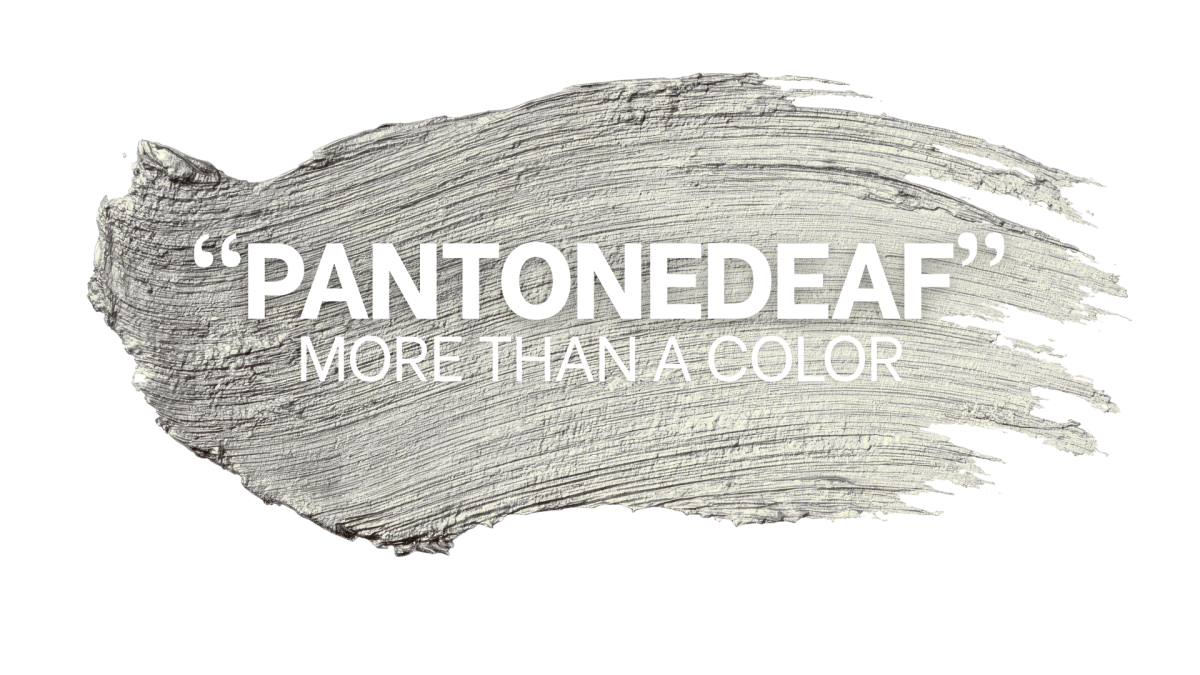
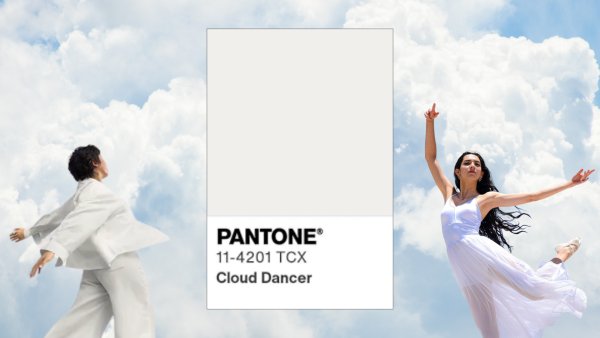
Pantone’s 2026 color of the year is Cloud Dancer, which Pantone claims is “a billowy white imbued with a feeling of serenity… a breath of color whose vaporized and aerated presence gently illuminates and lightens…”
In other words, white. Just white.
Background
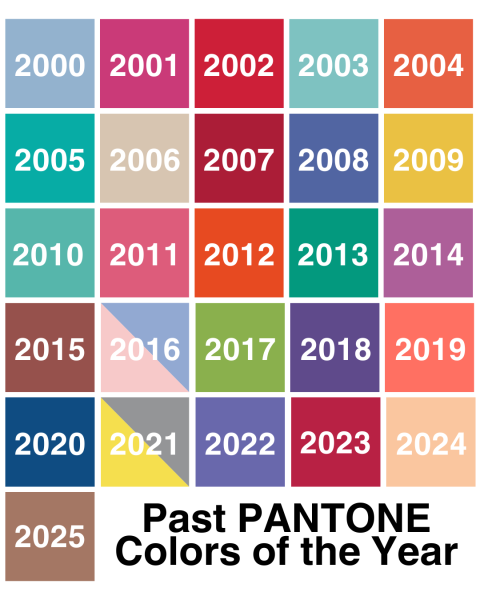
Since 1999, Pantone, a color company, has been releasing a ‘Color of the Year’ every November.
Pantone’s color of the year has become a sought-after event. The chosen color is often telling of the past year, but also suggests what the world should anticipate for the coming year. Color of the year is based on the global mood, trends, and overall status of the world.
Designers, artists and creatives alike look forward to the announcement due to the revolutionary change it often brings in the world of art. Even special merchandise is created simply for these colors.
The color of the year is not as simple of a decision as many would think. In fact, the choice is deliberated over eight months in advance. It is a very in depth and timely decision. This meticulous decision is made by the Pantone Color Institute, a board of artists and designers alike.
However, for the first year ever, Pantone fell short and chose the color of the year to be white.
Power of Pantone
When it comes to color of the year, Pantone isn’t the only company to recognize one. Other companies, such as BEHR, offer their own color of the year, too. However, Pantone receives the majority of the attention. Why does Pantone immediately receive all of the attention?

It all comes back to the companies of “big” color. As one of the leading companies, Pantone has an influential past and has always been a leader in the color industry.
The biggest thing that sets Pantone apart from other companies is their effort for consistency. Pantone was one of the first companies to make specific measurements to trademark their colors. Due to this, they have always been a prevalent force in the world of color.
From the iconic Tiffany Blue to Starbucks green, Pantone formulated standardized colors so that no matter what, the color will be the same everywhere. The Starbucks green all the way in Japan is ensured to be the same as the Starbucks green in small-town Iowa.
With their trademark on paving the way for formulation and color standardization, the Pantone company has consistently been the front-runner as the “King of Color”.
Cultural & Political
The color white often symbolizes peace, innocence and purity. But recently, it seems to represent something else.
White is the color of lavish floor length silk dresses. White is the color of intricate lace sewn into wedding dresses that cost the same as a mortgage. White is the color of shiny, expensive diamonds that hang from actresses’ necks while they walk the red carpet at award shows.
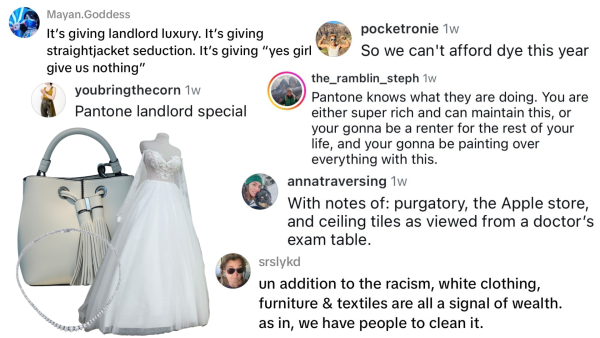
White is the color of luxury, something that most people in today’s climate are nowhere near.
In the wake of the dwindling economic state with inflation and cultural DEI debates, choosing white is a statement. A bad statement.
Critics claim that Pantone’s decision of white as the color of the year is insensitive and aligns with recent white-washing of culture, along with talks of subtle white supremacy commentary. Overall, it is a tone-deaf move on Pantone’s part. Pantonedeaf.
White isn’t just a statement, but it is generally boring. Outrage spread across the internet as soon as people realized that the choice of white wasn’t a joke and was instead very real.
While Pantone claims that Cloud Dancer “opens up space for creativity, allowing our imagination to drift so that new insights and bold ideas can emerge and take shape,” many view it as a nod of disconnect to true creativity. Freshman Jonathan Ridgeway says, “It’s stupid in my opinion. How does a version of white win when there are so many other colors that could’ve won? But they give it to a slightly darker white? They could’ve gave it to dusty lavender or Midnight violet, but instead we get Cloud Dancer?”
Additionally, many are upset due to the lack of color. Some have even claimed that white is merely not a color, that white is only the lack of color in a world full of it.
Art teacher Dawn Conradi states, “I like the name of the color, but white is not technically a color – it’s the absence of color. I do believe that an actual color would work much better. I feel like a tint or shade of blue would be a good representation.” Conradi adds, “I do not believe white works well for design unless you want to use it for a background or elements that you want to fade into the background. I do not feel Cloud Dancer was a good choice. It was not a practical choice.”
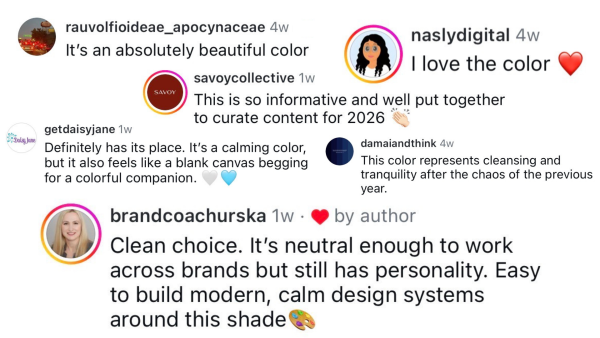
While many are upset about the decision, some believe that the decision of the color of the year doesn’t necessarily matter that much. “The people who are upset about it because of it being a shade of white and force linking it to racism are just complaining about everything. If a shade of black, brown, red, or yellow won the color of the year, they’d complain as well,” says senior Elijah Freudenberg.
However, the color of the year will always matter for all creatives alike simply due to how prevalent the color becomes throughout the months following the grand reveal.
Looking at the advertisements and promotion from Pantone, it looks plain. Boring. The most interesting thing about the advertisements is simply the blue in the background. Not the white.
While the backlash this year seems intense, the same thing happened in both 2024 and 2025, with Peach Fuzz and Mocha Mousse, two seemingly skin-toned colors. Peach fuzz was chosen as a sign for people to nurture their bodies, while Mocha Mousse was a call for comfort and luxury. This common theme within Pantone’s decisions begs the question, do they understand what they are doing?
Many people found it quite ironic that this has happened more than once, and many have viewed it as a joke.
If this is a common theme, then what does that say about Pantone’s decision-making?
Clearly, Pantone could use some redirection and read the room of the world.
Pantone’s controversial decision has amassed a lot of backlash. Several comments and posts online convey both the humorous and serious side to things.
Despite the backlash, they have been quick to defend their decision. Executive director of the Pantone Color Institute, Leatrice Eiseman said in a public statement that “the global team at the Pantone Color Institute selected this color for its emotional and creative resonance, not as a statement on politics, ideology, or race.” Eiseman added, “Pantone does not assign political narratives to color; to select or avoid a hue on that basis would give such narratives a significance they do not hold in this process.”
Only time will tell how Pantone can truly come back to this. Perhaps public perception on the color of the year will change down the road, though it doesn’t seem likely. It’s safe to say that Pantone is seeking a big change, but majorly fumbled.