

































In a world saturated with fast trends and the next “it” item, are women being unfairly targeted as the face of viral overconsumption? First it was Stanleys, then Labubus and now NeeDohs–dough-filled stress balls that are selling out at every Target location.
As with most trends that blow up on social media, women and girls are the top consumers of NeeDohs. And if your FYP is anything like mine, you are constantly exposed to videos of creators posting their rants and arguments against overconsumption, without explicitly saying who is purchasing them. After looking more closely at the online discourse, the outrage is almost exclusively directed at trends driven by girls and women. But when it comes to male-coded consumption, there’s a notable silence. You rarely see videos calling out the environmental impact of collecting vintage trucks or action figures. When men buy items, it is framed as “collecting.” When women do the same thing, it is dismissed as a “craze.”
Just as Twilight or Justin Bieber were vilified because of their fan base, so too are NeeDohs. The backlash reminds me of when Labubus were selling out last year, and commentary creators were posting numerous videos talking about how it was awful to cave into the influence and sin of overconsumption. At some point, the videos felt a bit performative, as if the whole internet agreed that this is what they were hating on that week of 2025; and that’s because it was. Much of the intense backlash against these trends are driven by many social media algorithms, which reward performative negativity. Commentators often jump on the “hate train” because criticizing the trendy item of the week is an easy way to garner engagement.
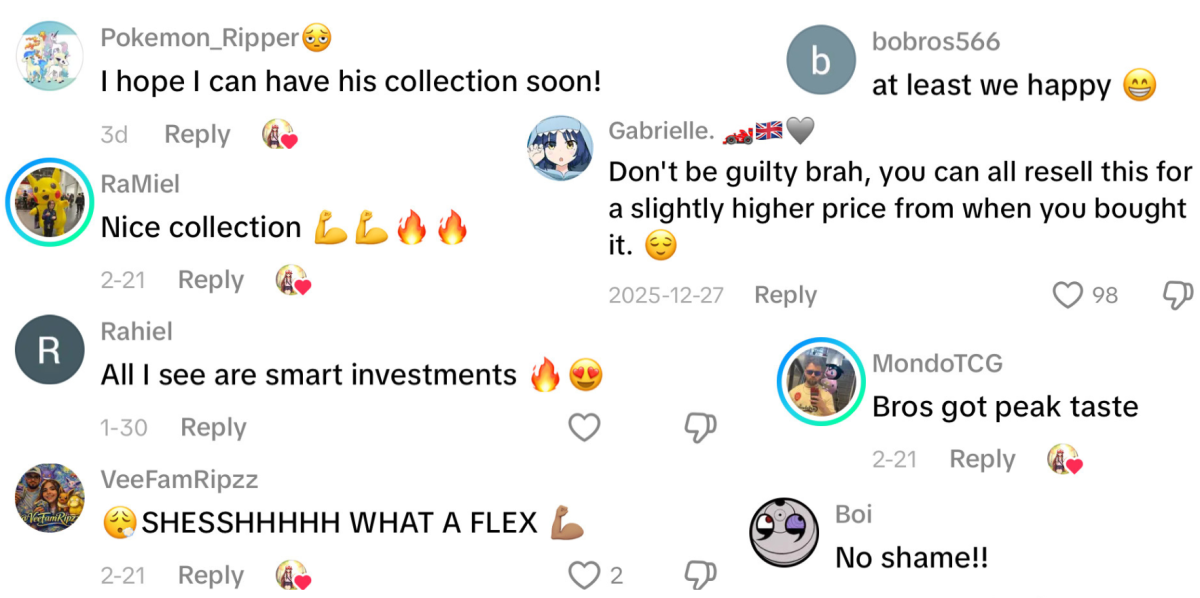
Left undiscussed in every commentary video is the pink elephant in the room: a distinct, gendered pattern to this outrage. The products currently facing scrutiny-colorful, aesthetically pleasing goods- are almost exclusively bought by women and girls. Yet, when these items go viral, commentary creators use gender neutral language to condemn the behavior, masking the clear bias. Again, there are no videos criticizing football merch or vintage convertibles. But because it is men that often buy these items, their actions are viewed as socially acceptable.
While environmental concerns about plastic waste are valid, the intense outrage towards items like NeeDohs feels disconnected from reality. Yes, purchasing every single NeeDoh that drops may be a little excessive, but if it brings someone joy in these harsh times, so be it. These toys are being treated as the ultimate symbol of overconsumption. While broader, more damaging environmental concerns, like global crisis and instability affecting the economy, are often ignored. The idea that buying things like NeeDohs or Stanleys is wasteful assumes they don’t serve any purpose. But they do, even if that purpose is to give someone a little dopamine when unboxing them.
It’s astonishing how quickly consumers are whipped into a frenzy by content online, and how products that have existed for over a decade like NeeDohs, can sell out overnight, randomly. Though buying lots of plastic trinkets is not beneficial for the environment, the negative discourse surrounding NeeDohs is not the solution. It’s okay to discuss issues that aren’t important in the grand scheme of things, that is perfectly fine. But, it’s best to be honest about where an issue like overconsumption comes from, and why are we quick to ignore the performative and biased critiques that come alongside it.