






























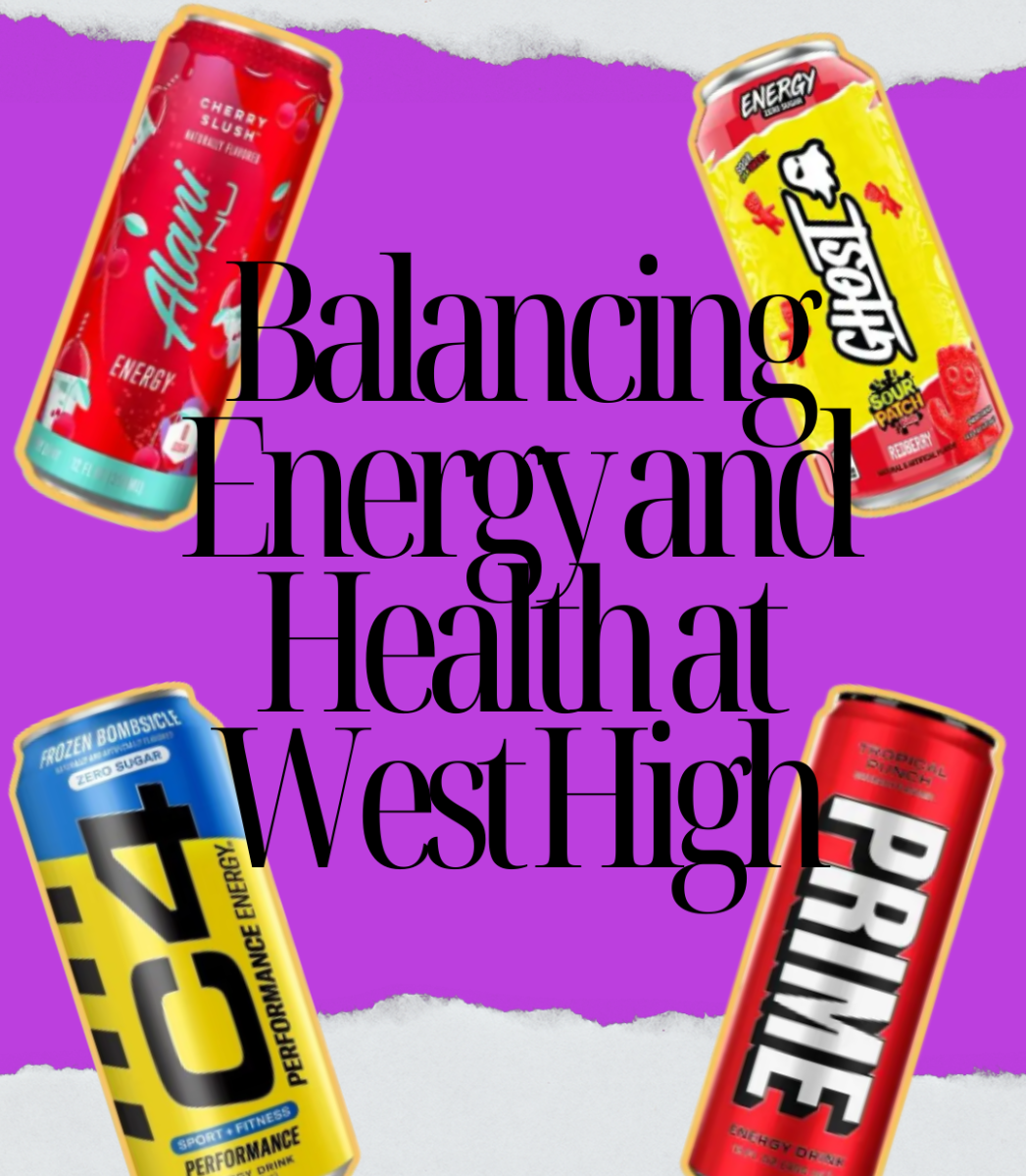
Energy drinks have become a major part of teenage life, with 30-50% of adolescents reportedly consuming them. Every student interviewed for this article admitted to drinking energy drinks weekly, showing just how common these beverages have become among high schoolers. Their responses, along with research about these drinks, have formed answers as to why teens turn to these beverages and the effects they experience.
The main reason teens consume energy drinks is simple: they’re tired. School work, early mornings and busy schedules contribute to their fatigue. As Junior Lillian Mathenia put it, “Because I feel tired, and most of them have this really bold flavor.” This mix of exhaustion and bold flavor makes energy drinks appealing to students who feel they have no time to rest.
In fact, energy drinks often seem to help students make up for their lack of sleep. The caffeine and stimulants in these drinks can temporarily increase a person’s alertness and reaction time, and Seniors like Elijah Freudenberg say this is exactly why they drink them. “I refuse to sleep properly, and I also kind of like the taste of certain energy drink brands.”
Many teens even describe energy drinks as motivation boosters.
This psychological effect, where caffeine can change someone’s mood for a short period of time, is common in energy drinks.
While caffeine can help teens feel more awake, research shows that high amounts can also lead to energy crashes, mood swings and disrupted sleep. Several students noticed this firsthand. Freudenberg explained that energy drinks help at first, but the effect doesn’t last forever, “Yeah, like, at a certain point, they make me more tired, but if I continue drinking them throughout the day, they’ll help keep me awake.”
Similarly, Junior Jada Lloyd shared that the caffeine boost is inconsistent, “Some days when I drink them, I actually get more tired than energized.”
These mixed reactions suggest that energy drinks can either temporarily increase focus or cause fatigue due to an energy crash.
Students were asked whether they needed energy drinks to get through the day. Though energy drinks are the second most popular dietary supplement among U.S. teens, not everyone feels dependent upon them.
Freshman DaVina Simi replied, “No. There are other alternatives to staying focused, rather than caffeine.” This aligns with health recommendations that encourage teens to limit their reliance on caffeinated drinks for everyday energy.
But, Lloyd admitted to her dependence on energy drinks, “yes, every time I drink one, it’s because I need it for the day.”
This dependence may be related to the addictiveness of caffeine. Experts at the National Institute for Health say that teens who stop consuming it abruptly may experience withdrawal symptoms, making the cycle harder to break.
Many teens reported emotional changes when consuming energy drinks, which aligns with research showing that caffeine can impact mood, nervousness and stress levels.
Senior Harrietta Menjay shares, “sometimes when I do drink them, I’ll be a little bit more upbeat, or more hyper. And other days when I don’t, you know, I’ll be more mellow and more tired.”
Caffeine often gives a temporary mood boost, but can also worsen anxiety. People with anxiety disorders are especially prone to jitteriness or panic-like feelings after consuming large doses.
Other students see energy drinks as a source of happiness.
Though teens love these drinks, experts warn that energy drinks usually contain high levels of caffeine, added sugars and stimulants like taurine and L-carnitine.
These ingredients can increase heart rate, blood pressure, and breathing and may cause anxiety or sleep problems. Teens who already struggle with nervousness, stress or irregular sleep may experience more severe reactions.
Teenagers’ relationships with energy drinks are formed by exhaustion, appeal, emotional effects and focus. Their personal experiences mirror what research shows about caffeine’s benefits and dangers.
While energy drinks may offer temporary boosts, the long-term consequences cause concerns. Encouraging healthier alternatives such as matcha, herbal tea or kombucha could help teens find energy in better ways.